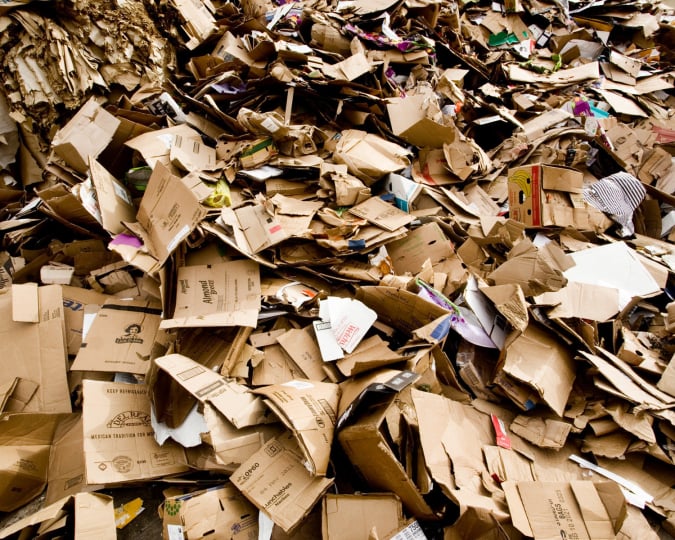
Cardboard packaging is designed to be recycled, so it is important we properly recycle the cardboard in our homes and offices at every opportunity.
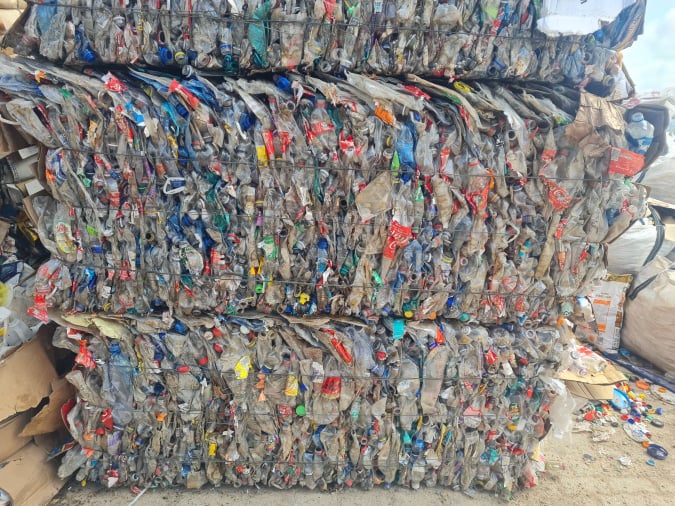
Paper recycling is the collection and processing of used paper products to make new paper products and involves several steps.
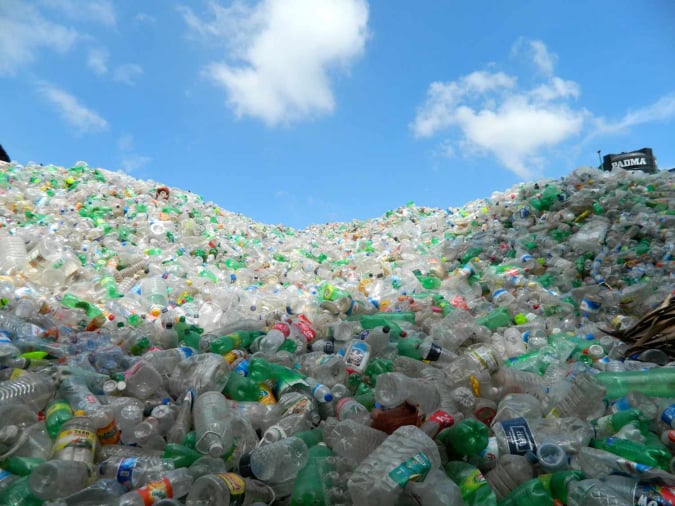
Plastic is one of the most popular and useful materials of modern times and it is important that we optimize the lifespan of plastics as much as possible.
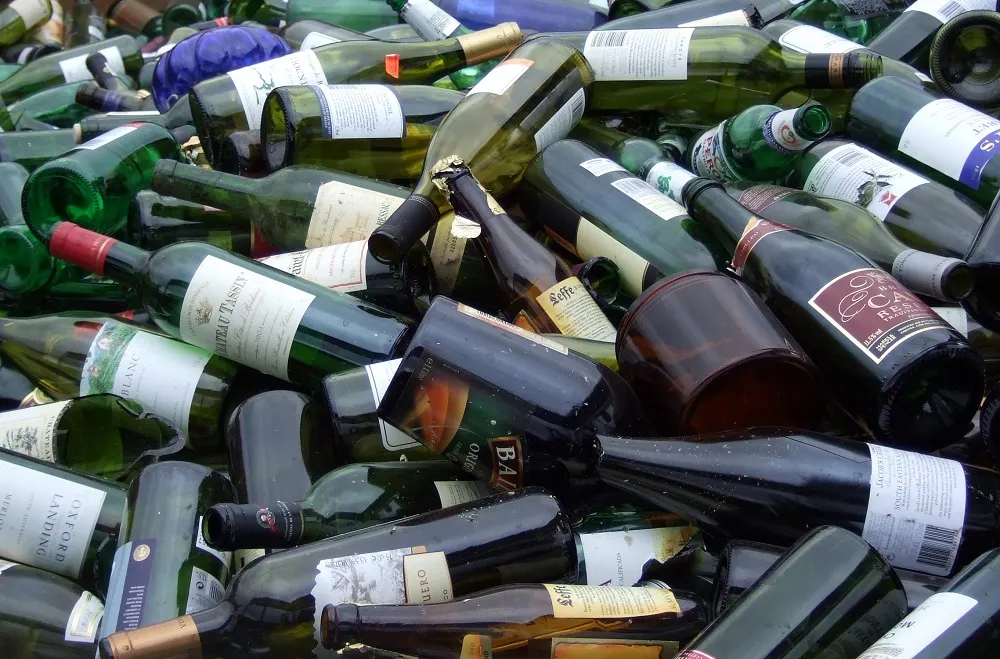
Glass is 100% recyclable and can be endlessly recycled with no loss of quality. New glass is made from four main ingredients: sand, soda ash, limestone and other additives for colour or special treatments.
All these raw materials have to be quarried, using up natural resources and utilising energy for extraction and processing.
Aluminum cans are the most sustainable beverage package on virtually every measure. Aluminum cans have a higher recycling rate and more recycled content than competing package types. They are lightweight, stackable and strong, allowing brands to package and transport more beverages using less material. And aluminum cans are far more valuable than glass or plastic, helping make municipal recycling programs financially viable and effectively subsidizing the recycling of less valuable materials in the bin.
Polystyrene is a type of plastic made from a chemical called styrene. It is most recognizable in its expanded form – the white, foam-like material we use for takeaway containers, insulation, and packaging.
Expanded polystyrene is lightweight, economical to manufacture, and very strong and temperature resistant, making it a versatile material with many uses.